Introduction
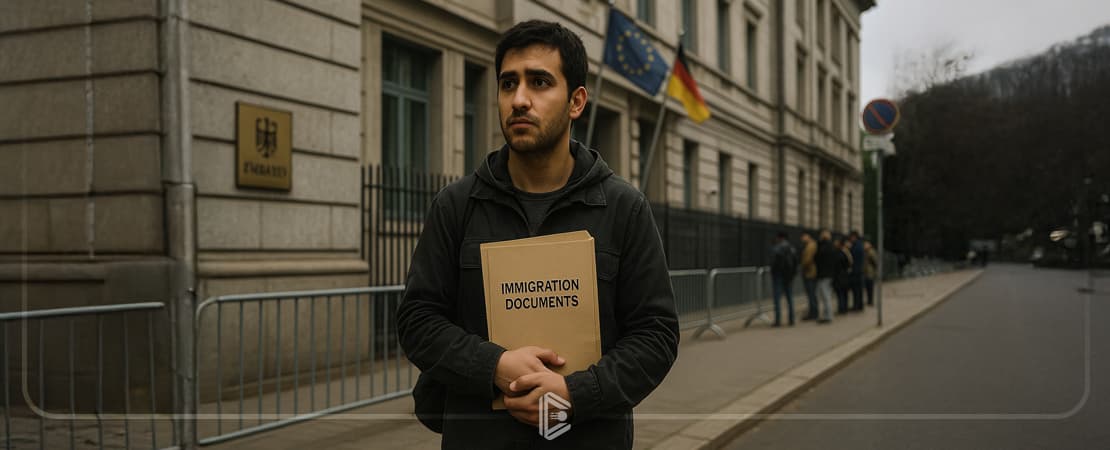
On 2024/06/13, amidst a political crisis and widespread communication instability in Iran, including major internet disruptions and severe restrictions, a wave of concern spread among immigration applicants.
Will the immigration process come to a halt? Are embassies continuing to review applications properly? And more importantly, should one even apply to migrate in such conditions?
In this article, drawing on past experiences during crises such as the COVID era and up-to-date expert analyses in destination countries, we aim to provide a more realistic outlook on the future of immigration.
Applicants’ Perspective on the Situation
When you're in the process of immigration—like submitting documents or preparing for an interview—the recent instability can seriously disrupt focus and timelines.
Possible challenges include:
- Lack of stable internet access
- Missed deadlines
- Inability to respond to emails or attend online interviews
Examples of Practical Solutions During Past Crises
- During the COVID crisis, emergency visa appointments were issued for PhD and work visas—even when standard wait times had stretched to 18 months.
- During the Afghan war, applicants were referred to alternative embassies so the process could continue.
Employers’ and Universities’ Viewpoints
Employers and universities always take the situation in the applicant’s home country into account and evaluate the following:
- Current visa issuance status
- Document readiness timeline
- Likelihood of delays
- Acceptable delay duration (usually up to 1–2 months is acceptable)
Destination Countries’ Policies on Delayed Physical Presence
European countries have tried to be flexible during crises. Some examples:
- Germany: Option to request a Late Arrival letter or defer enrollment to the next semester
- Austria: Admission validity is usually retained for one year, and even with visa delays, you can proceed after admission
- Italy: Students can secure next semester’s admission without repeating the entire process
Choosing the Right Path Based on Personal Circumstances
In the current situation, choosing the right path may feel complex and uncertain.
Key factors like age, GPA, study gap, and budget should be carefully evaluated.
At this point, professional counseling can clarify the path ahead and reduce confusion.
- Germany: Option to request a Late Arrival letter or defer enrollment to the next semester
- Austria: Admission validity is usually retained for one year, and even with visa delays, you can proceed after admission
- Italy: Students can secure next semester’s admission without repeating the entire process
Two Possible Scenarios for Embassies and Immigration Progress
Scenario One: Short-Term Reopening
- Processes gradually resume
- Emergency appointments issued for high-priority cases like PhDs or job offers
Scenario Two: Continued Restrictions
- Using alternate countries (e.g., Turkey, Armenia, Azerbaijan) for interviews or document submission
Conclusion and Final Message
Past crises have shown that even in the toughest situations, immigration doesn't stop—it just takes a different path.
Smart adaptation and access to up-to-date information are key to success.
Expert advice helps you make decisions that align with your circumstances and secure your immigration future.
If you're facing uncertainty in decision-making, talking to experts can clarify the path and eliminate mistakes.